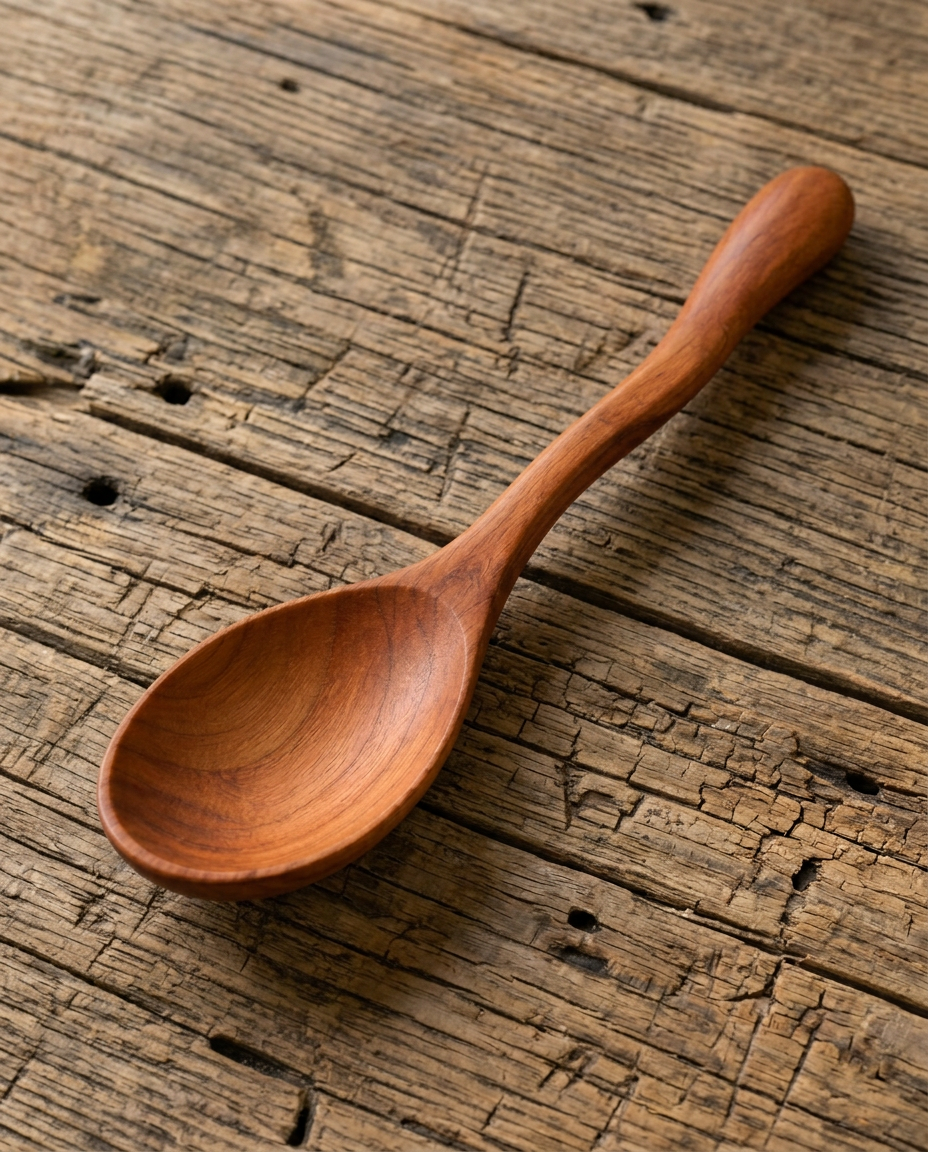
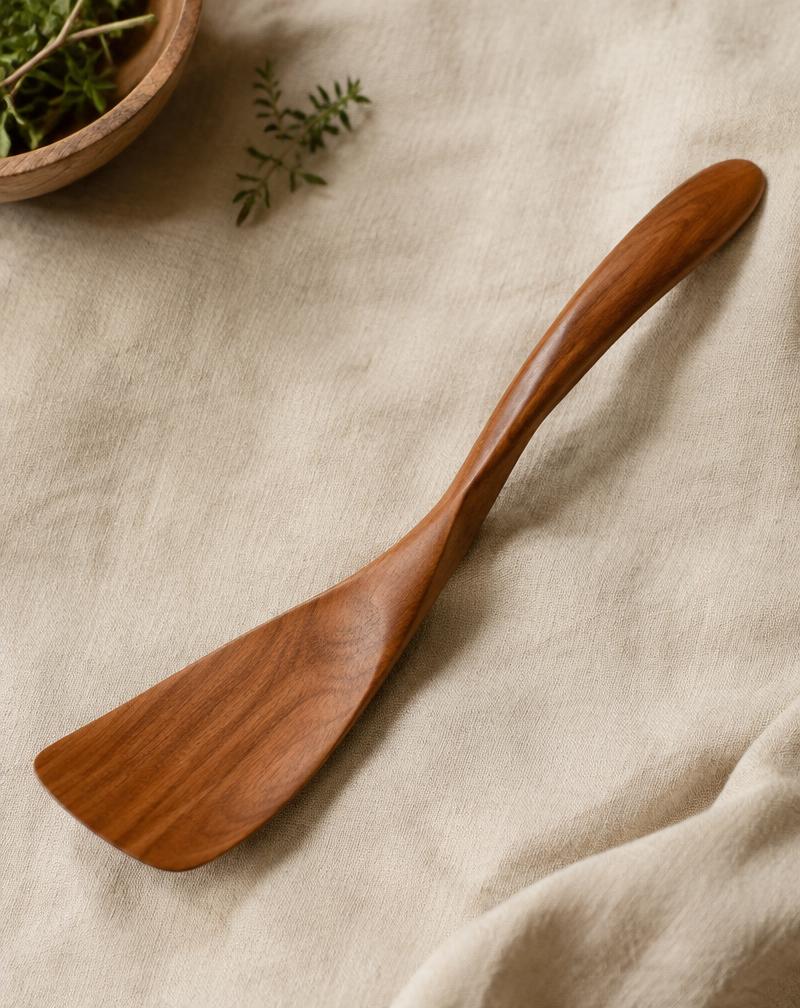
Spoon — Crook
$38
Riven cherry · RW-2026-001
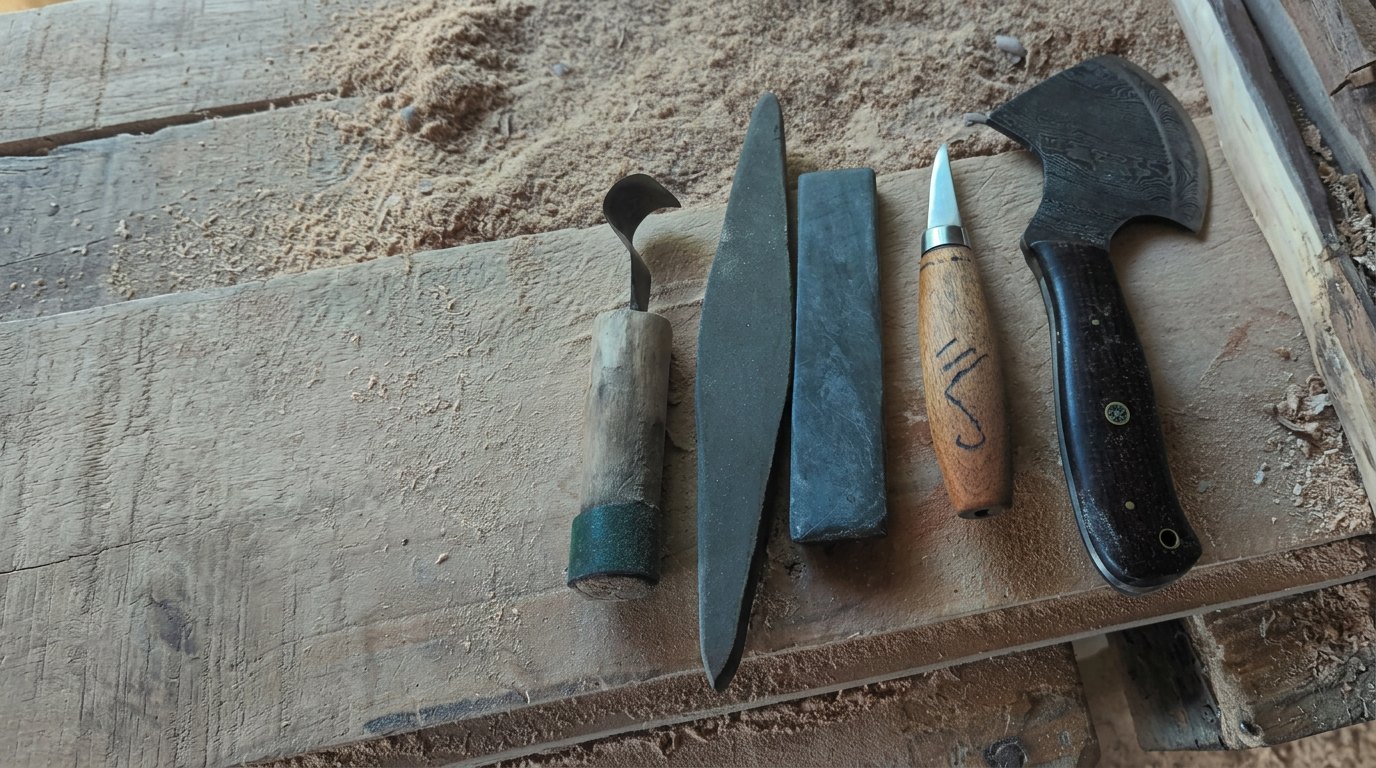
The grain decides the spoon
Before the sawmill, wood was split, not cut. We still open every log by hand with wedge and froe, follow the line the tree chooses, and carve spoons that keep its full strength.
See how a log opensThe oldest way to open a log
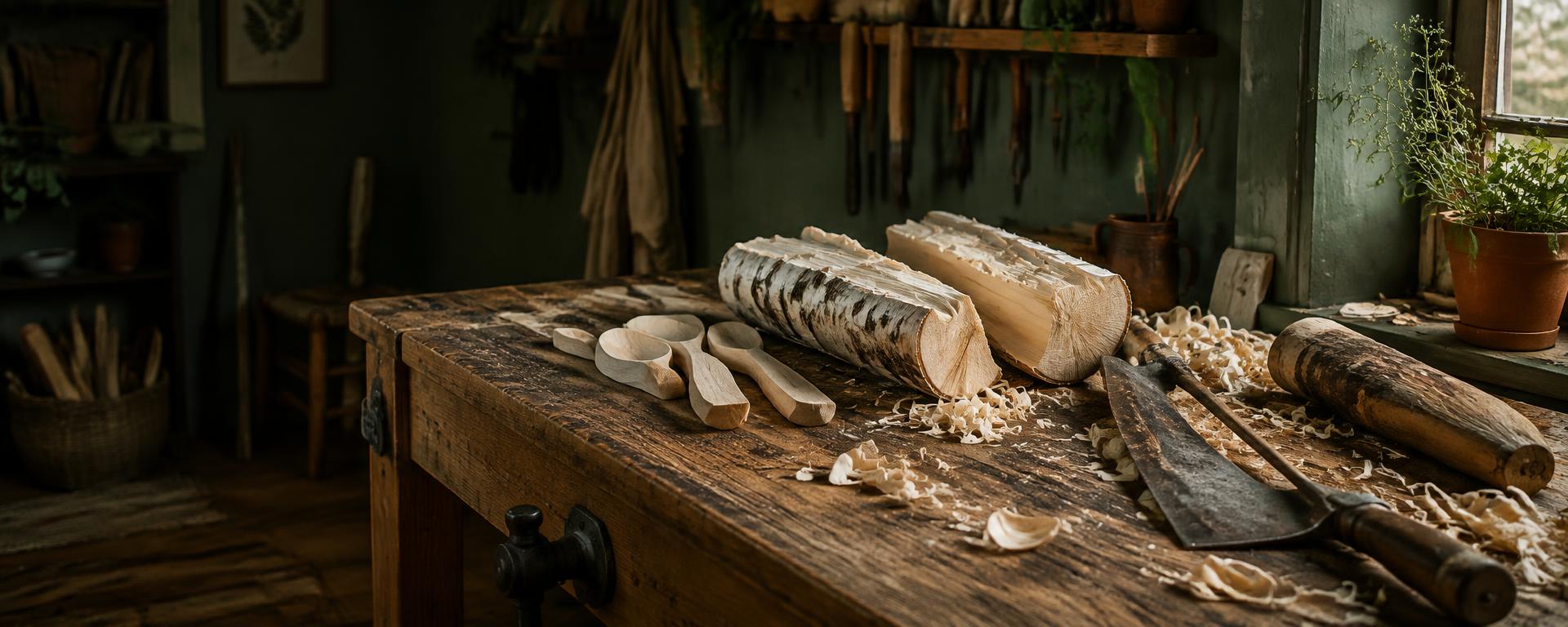
No saw. A wedge goes into a fresh log, and the timber opens along its own lines of weakness. We never force a straight cut: we read the wood and guide the split. Green wood splits cleanest, and straight-grained birch, cherry, maple and beech repay the effort.
Riving, or cleaving · still the foundation of green woodworking
Why riven is stronger · 02
A saw cuts straight, whatever the tree did. Wherever the grain twists, it slices through fibres, and a cut fibre is where a spoon neck snaps. A split runs with the grain, so every fibre stays whole and carries the load end to end. The wood dries evenly, resists warping and stays smooth through years of washing. And a split hides nothing: knots and twists show up before carving starts, not halfway through.
The spoon follows the fibre · 03
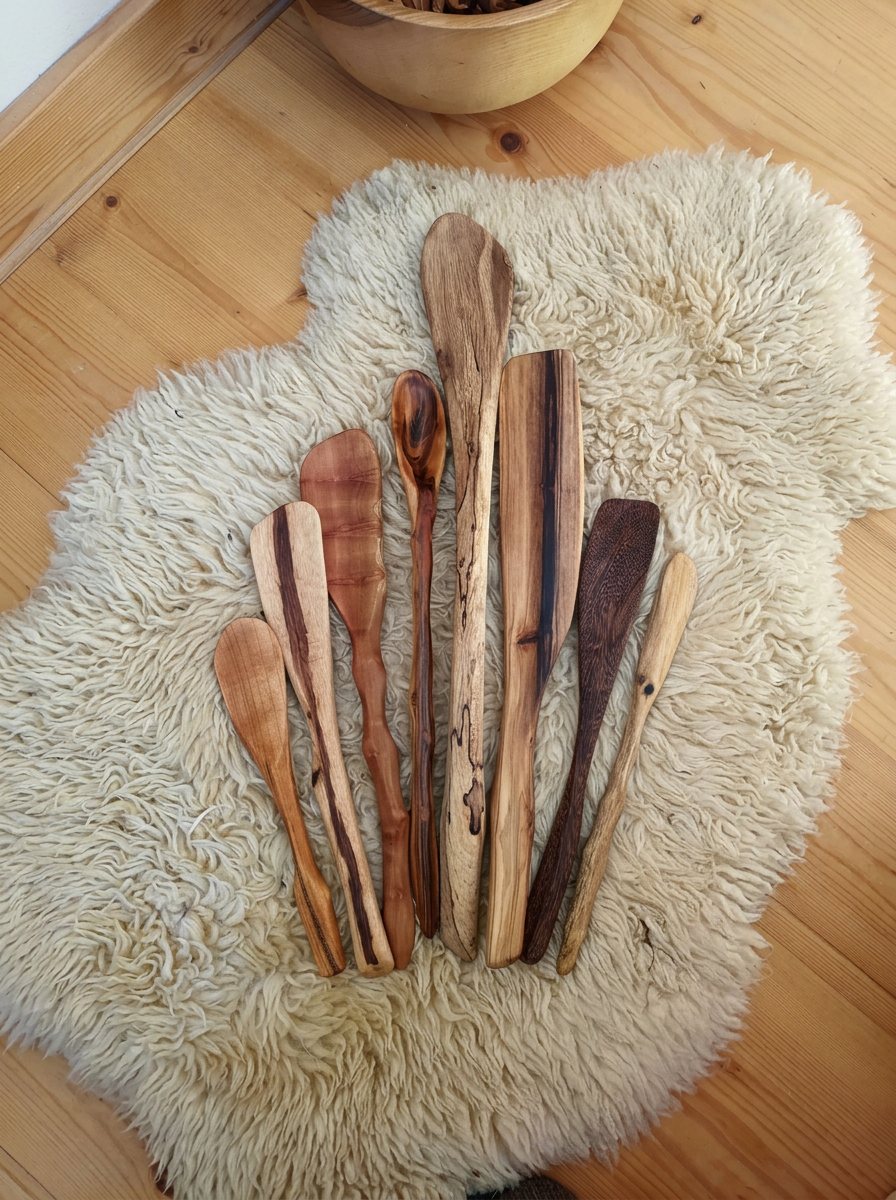
We don't draw the curve. We find it.
The grain isn't decoration. It decides the shape. Bowl and handle are laid out so the fibres run unbroken from the handle tip, through the neck and into the bowl. That's how a riven spoon can be thin and light and still strong, and why no two are alike: each keeps the bend of its branch.
$38
Riven cherry · RW-2026-001
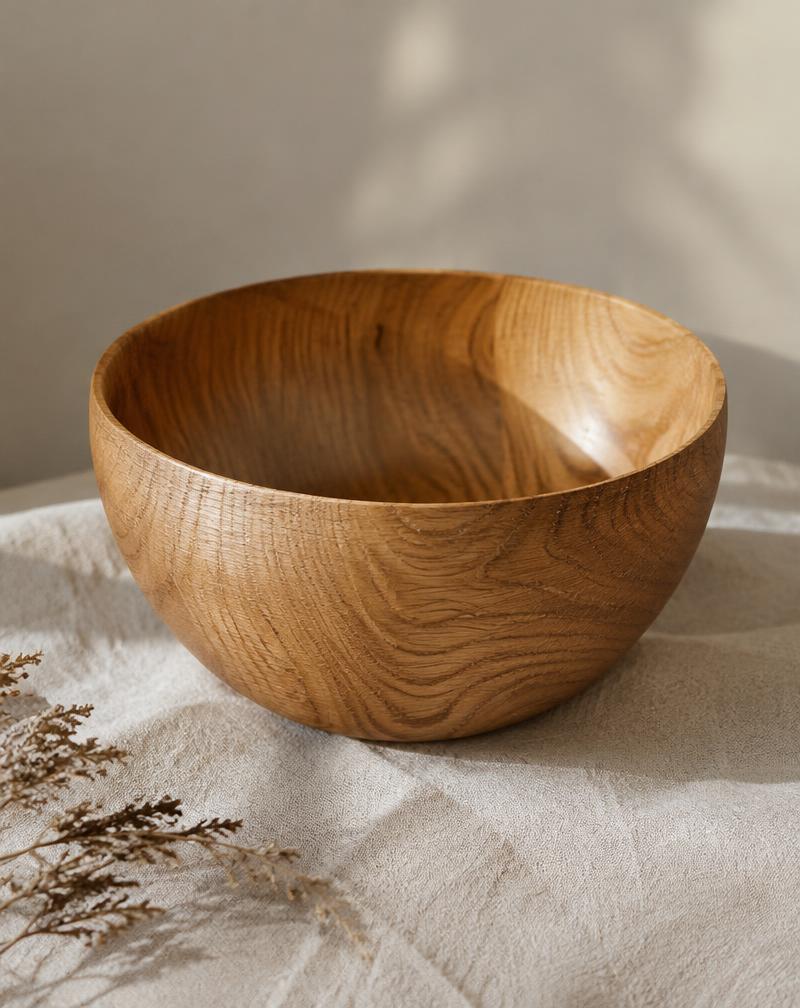
$32
Riven cherry · RW-2026-011
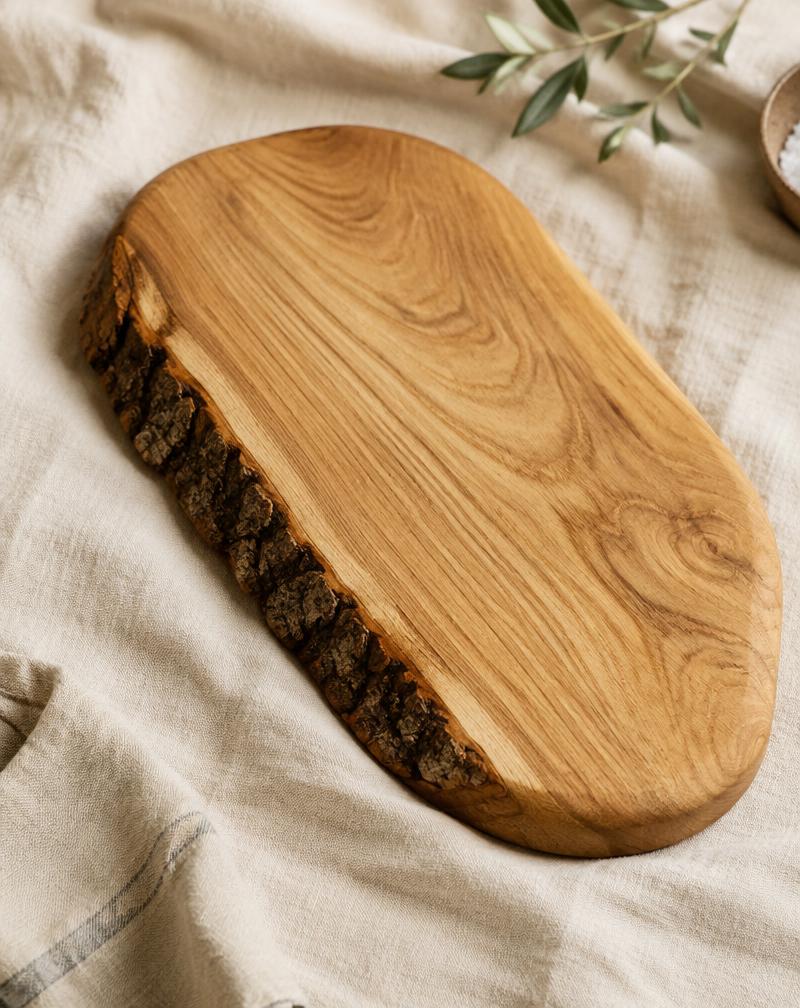
$74
Riven oak · RW-2026-021
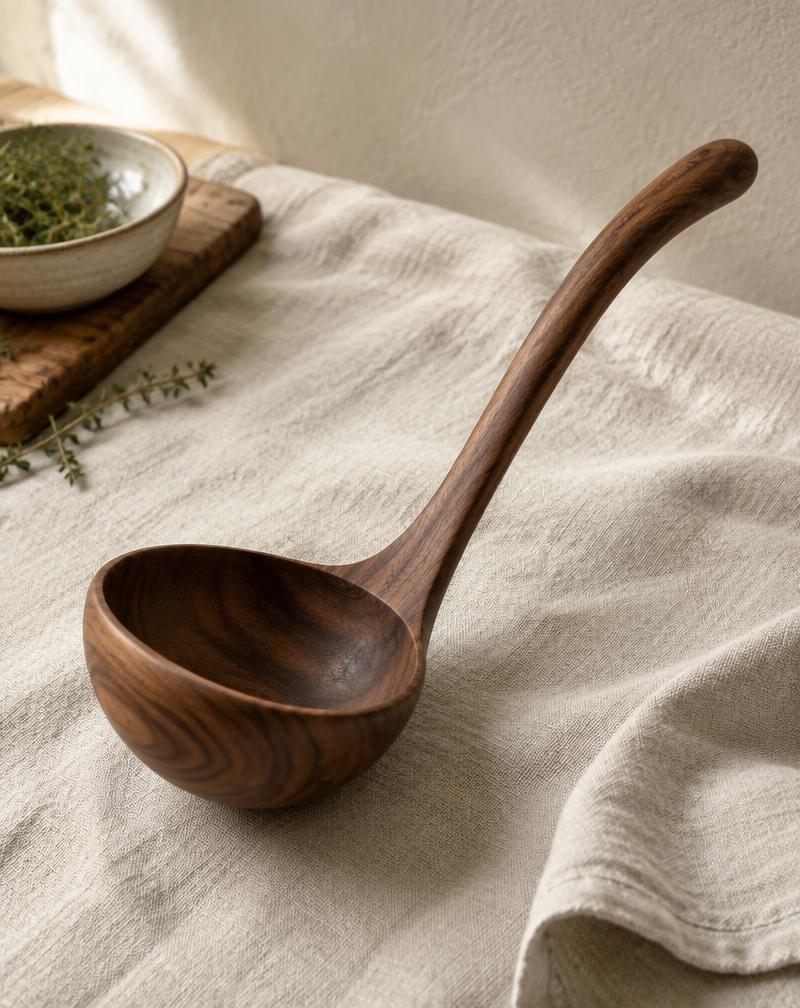
$56
Riven oak · RW-2026-031
 Sold
Sold
$44
Riven walnut · RW-2026-002
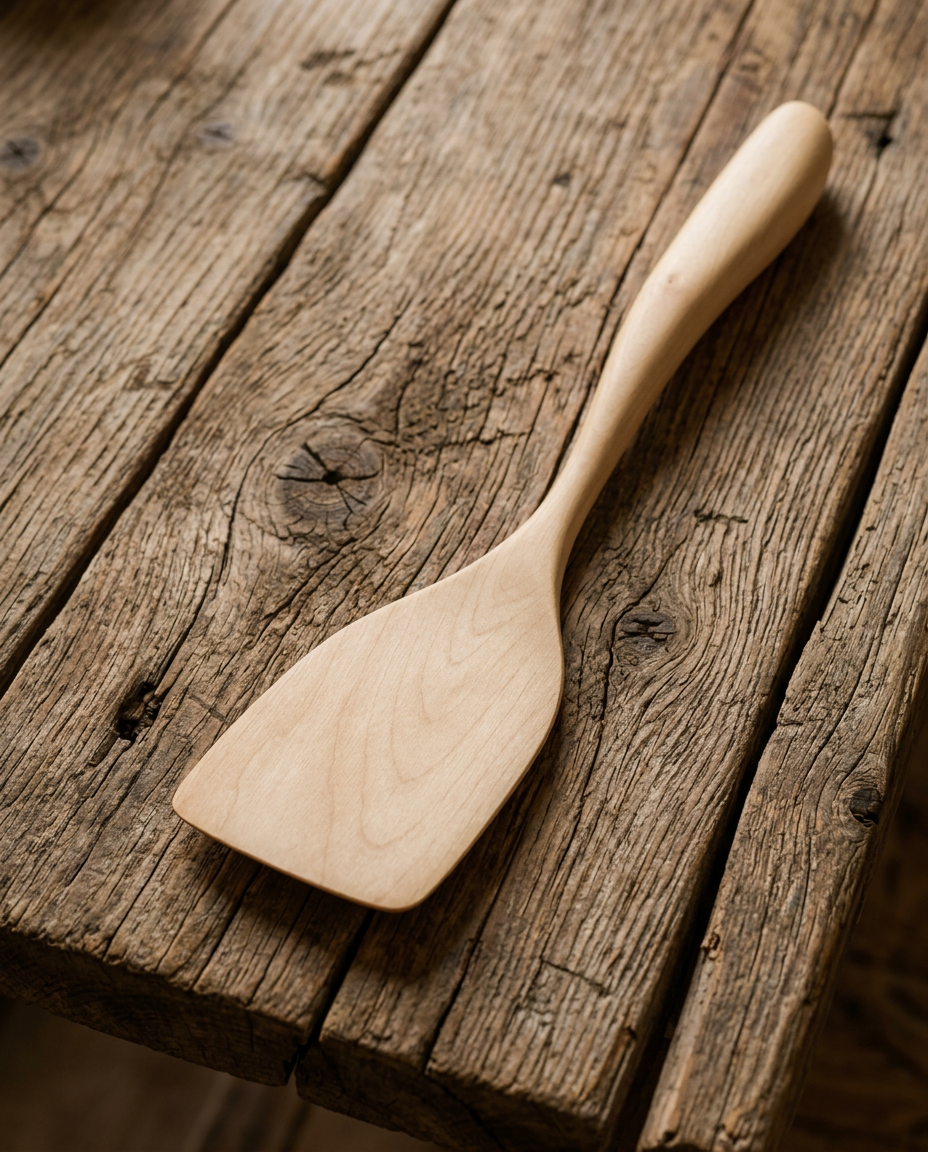
$34
Riven maple · RW-2026-012
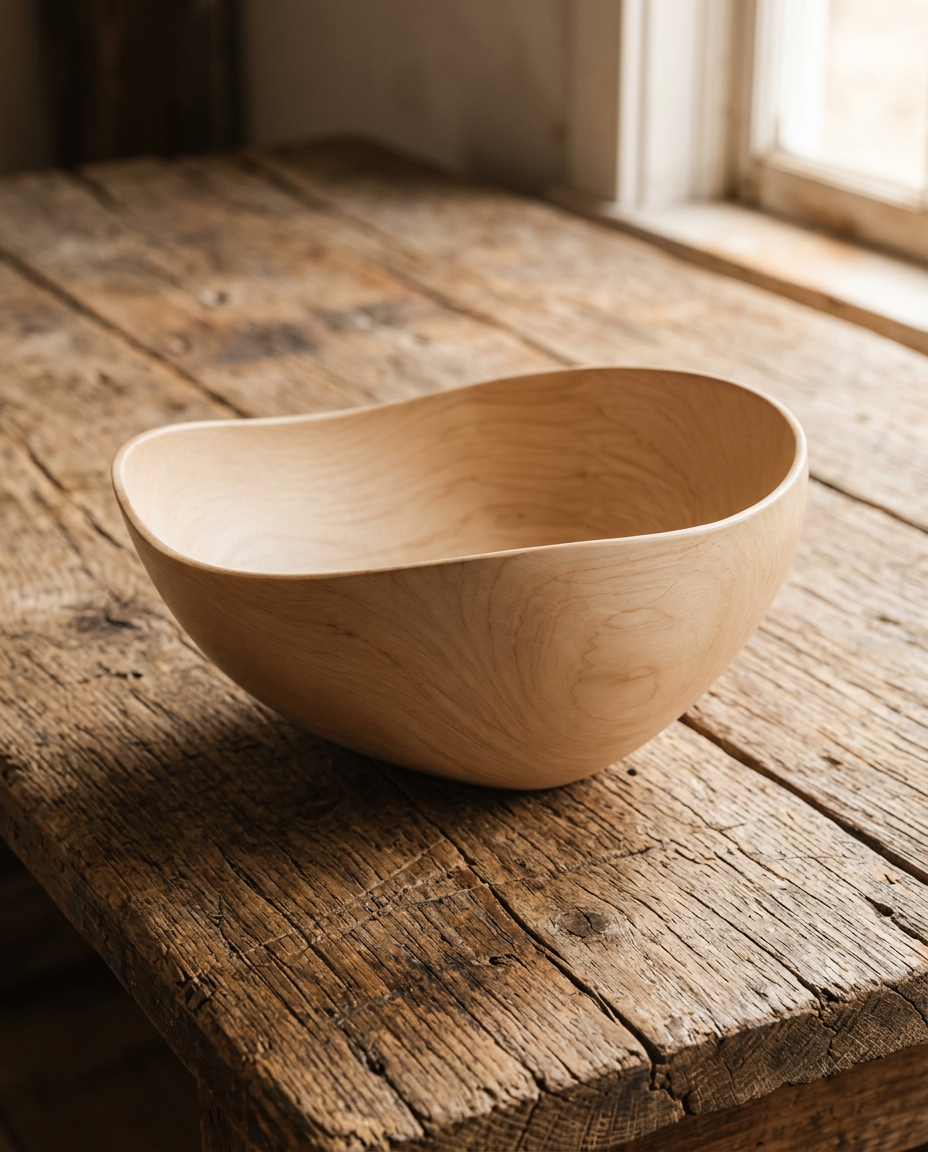
$88
Riven maple · RW-2026-022
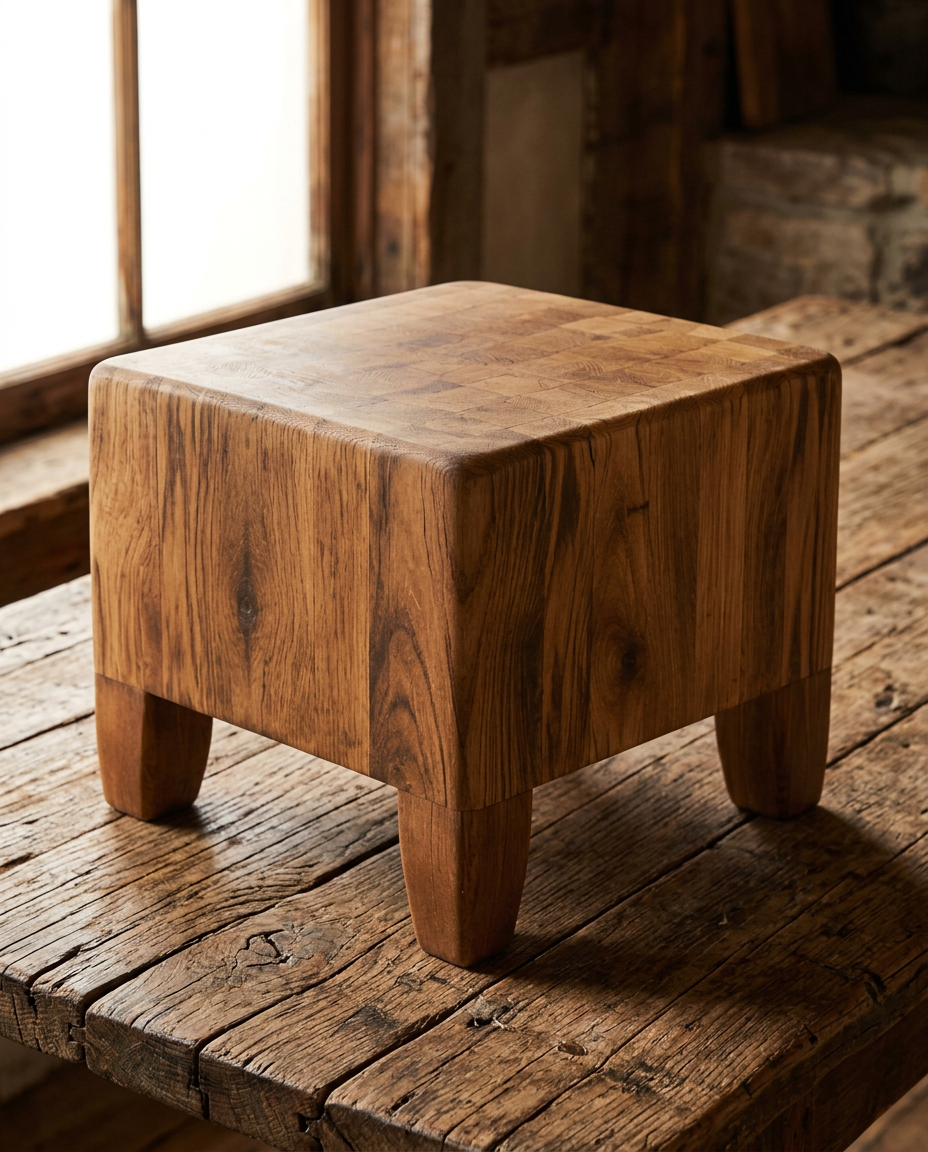
$92
Riven oak · RW-2026-032
A spoon carved from riven wood is not imposed on the wood. It is found within it.
— The Riven Wood workshop